

Diesel engines are renowned for their durability and efficiency. They power a wide range of vehicles, from heavy-duty trucks to passenger cars. However, like any mechanical system, they’re not immune to problems. Regular maintenance is crucial to ensure their longevity and optimal performance.
This article aims to shed light on the most common diesel repair problems. We’ll delve into issues that often arise in the fuel system, engine, and electrical components. Understanding these problems can help you identify when something is amiss. It can also guide you in taking the necessary steps to address these issues promptly.
We’ll also discuss the importance of diesel diagnostics. These are essential tools for accurately identifying and resolving diesel engine problems. Remember, while some minor issues can be fixed by the vehicle owner, complex repairs should be left to professional diesel mechanics. They have the specialized knowledge and tools required for such tasks.
By the end of this article, you’ll have a better understanding of diesel repair and maintenance. You’ll also learn how to choose the right diesel repair shop for your needs. So, let’s dive in and explore the world of diesel repair.
Understanding Diesel Engines and Their Maintenance
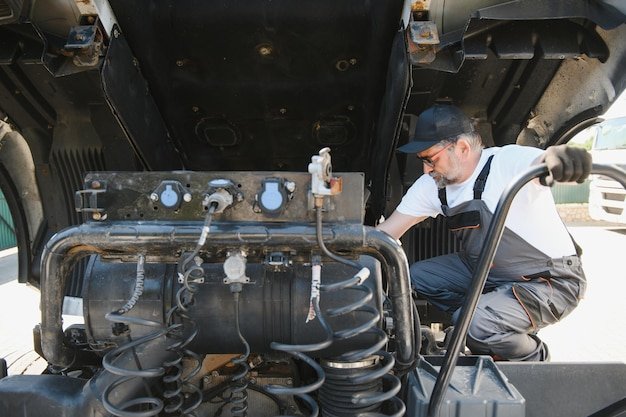
Diesel engines have long been favored for their fuel efficiency and power. They are built to withstand heavy loads and endure long hours. Unlike gasoline engines, diesel engines rely on compression for ignition. This fundamental difference influences their design and maintenance needs. The robust build of diesel engines provides greater longevity. However, keeping them in top shape requires regular upkeep. Ignoring maintenance can lead to costly repairs and reduced performance. Learn more about how diesel engines work and their unique benefits from Cummins, a leader in diesel engine technology.
Common diesel maintenance tasks include regular oil changes and filter replacements. Fuel system cleaning is also crucial to prevent blockages. Each component requires attention to ensure the engine runs smoothly. While diesel engines might seem complex, basic maintenance can be straightforward. Owners need to familiarize themselves with maintenance schedules. Sticking to these schedules helps prevent unexpected breakdowns.
Those new to diesel engines should prioritize learning about key maintenance practices. Here are a few essentials to keep in mind:
- Regular oil and filter changes
- Inspecting and cleaning the fuel system
- Checking the cooling system for leaks
- Testing batteries and electrical components
Engaging with these tasks can significantly prolong engine life. Proper maintenance not only enhances performance but also boosts fuel economy.
The Importance of Regular Diesel Maintenance
Maintaining a diesel engine is crucial for ensuring optimal performance and longevity. Regular maintenance helps detect potential problems before they escalate. This proactive approach can save you from expensive diesel engine repair down the road.
Keeping the engine clean and well-lubricated reduces wear and tear. It ensures that all components function efficiently, maximizing performance. Regular checks also prevent issues such as fuel contamination and clogged filters. Diesel maintenance extends beyond the engine. The transmission, cooling system, and electrical components also need regular inspection. By maintaining these systems, you contribute to the overall health of your vehicle. Consistent maintenance practices enhance safety, reliability, and resale value.
Diesel vs. Gasoline Engines: Repair Needs
Repair needs vary significantly between diesel and gasoline engines. These engines operate on different principles and require specialized knowledge for effective repair. Diesel engines rely heavily on high compression and pressure. This results in unique wear patterns and repair needs.
Diesel engines typically endure more stress than gasoline engines. Therefore, certain components, like injectors and turbochargers, need regular attention. Diesel repairs often involve more rigorous diagnostic procedures. Advanced diesel diagnostics are crucial in identifying and fixing issues accurately.
Furthermore, diesel engines have more robust components that generally last longer. However, these parts can be more expensive and complex to repair or replace. Unlike gasoline engines, diesel engines often require specific oils and lubricants. Using the right products is critical for maintaining engine performance.
Understanding these differences can aid in better upkeep and timely repairs. By recognizing the distinct repair needs, you can take steps to mitigate issues. This knowledge ensures that your diesel engine remains efficient and reliable over its lifespan.
Common Diesel Engine Repair Issues
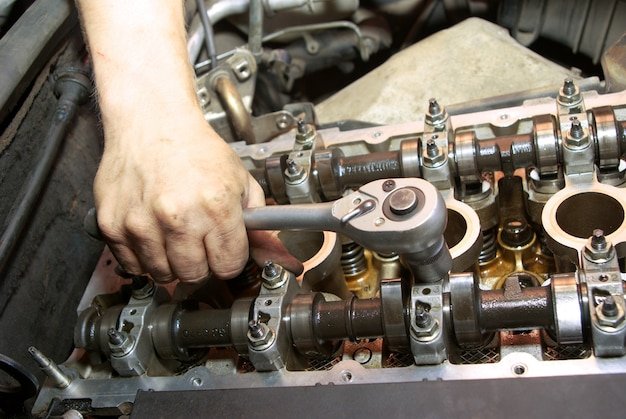
Diesel engines, while known for their durability, face several common repair issues. These issues often stem from wear and tear over time. Some of the most frequent problems involve the fuel system, engine components, and electrical systems. The fuel system in diesel engines can be prone to complications. Issues such as clogged filters or contaminated fuel are not uncommon. These problems can significantly impact engine performance and efficiency.
Another critical area of concern is the engine’s combustion process. Any disruption in the combustion process may cause excessive smoke or power loss. Unusual noises might indicate an underlying problem that needs attention. Electrical system failures are also frequent in diesel engines. The high demand for electrical power can overload components. Batteries and alternators need regular inspection to avoid failures.
Fuel System Complications
The diesel fuel system can be a major source of complications. Issues often result from impurities or lack of maintenance. These problems can affect performance and lead to engine malfunction. Common signs of fuel system problems include poor acceleration and stalling. Detecting these early can prevent extensive damage. Regular inspection and maintenance of the fuel system are essential for diesel engine health.
Key areas to focus on include:
- Fuel filters
- Injectors
- High-pressure fuel pumps
Replacing or cleaning these parts as needed ensures smooth operation. Consistent maintenance can avert costly diesel engine repairs. Addressing fuel system issues promptly can prolong engine life.
Engine and Combustion Problems
Engine and combustion problems in diesel vehicles can greatly affect performance. These issues might manifest as a loss of power or efficiency. Such symptoms indicate potential faults within the engine’s internal workings. A diesel engine that produces unusual noises or smoke often faces combustion problems. These could be due to faulty components or improper air-fuel mixture. Regular checks can identify wear in parts like pistons or valves.
Addressing engine problems requires attention to several components:
- Piston rings
- Valves
- Camshafts
Each part needs periodic inspection and maintenance. Ensuring proper alignment and operation avoids severe engine damage. Prompt diagnosis and repair keep the diesel engine performing optimally.
Electrical System Failures
Electrical systems in diesel vehicles are crucial for starting and operation. However, they can be susceptible to failures, especially under heavy loads. Problems often arise from issues with the battery, alternator, or wiring. Diesel engines require a robust electrical system for optimal performance. A failing battery or alternator may cause starting issues or intermittent power loss. Proper maintenance and testing can help prevent these failures.
Troubleshoot electrical failures by focusing on these components:
- Batteries
- Alternators
- Wiring harnesses
Regular testing and replacement where needed ensure system reliability. By maintaining these elements, diesel trucks can function efficiently without unwanted breakdowns.
Turbocharger and Injector Issues
Turbochargers and injectors are vital for diesel engine efficiency. These components enhance fuel combustion and power output. However, they can suffer from wear, leading to performance issues. A malfunctioning turbocharger may result in reduced power and increased fuel consumption. Similarly, injector problems can cause uneven fuel distribution. Both issues require immediate attention to avoid further engine damage.
Areas to inspect include:
- Turbocharger bearings
- Injector nozzles
- Seals
Routine checks and timely replacement of worn parts are crucial. These steps prevent system failures and maintain optimal diesel performance. Proper care ensures longevity and reliability of the engine.
Cooling System and Overheating
The cooling system in a diesel engine prevents overheating. However, failures in this system can lead to serious engine problems. Overheating can cause significant damage if not addressed quickly. Coolant leaks or blockages can reduce the cooling system’s efficiency. A compromised cooling system may result in higher engine temperatures. This exposes the engine to the risk of costly damages and decreased lifespan.
To avoid overheating, focus on these areas:
- Radiators
- Hoses
- Coolant levels
Regular maintenance and inspection of these components ensure they function properly. By doing so, you can prevent overheating and the resulting engine wear. Maintaining a well-functioning cooling system is crucial for diesel engine health.
Diagnosing Diesel Engine Problems
Diagnosing diesel engine problems is essential for maintaining optimal performance. Efficient diagnosis can help prevent minor issues from escalating into major repairs. Understanding the common signs of a diesel problem is the first step. Symptoms such as unusual noises or reduced power should not be ignored. These can indicate deeper issues within the engine or its components. Early detection through proper diagnostics can save time and money.
A professional diesel repair shop has the tools to diagnose complex problems. Utilizing advanced diagnostic equipment ensures accurate identification of issues. Diesel diagnostics involve a detailed analysis of the engine systems, making it easier to pinpoint faults. Consistently maintaining your diesel engine requires regular diagnostics. By doing so, you can catch potential problems early. This approach helps ensure the engine runs smoothly and efficiently, minimizing downtime and repair costs.
The Role of Diesel Diagnostics
Diesel diagnostics play a crucial role in maintaining engine health. These diagnostics involve a systematic examination of the engine’s systems. This process identifies both current and potential issues. Advanced diagnostic tools make the process more effective. These tools offer precise insights into the engine’s performance. Data from diagnostics help mechanics make informed repair decisions.
Typical components checked during diesel diagnostics include:
- Engine control modules
- Exhaust systems
- Fuel systems
Each component is evaluated for performance and efficiency. Detailed diagnostics provide a comprehensive view, allowing for targeted repairs. Investing in regular diagnostics can significantly extend the life of your diesel engine.
When to Consult a Diesel Mechanic
Knowing when to consult a diesel mechanic is key to vehicle maintenance. Sometimes, problems are beyond the scope of basic diagnostics or fixes. Professional mechanics have the expertise to handle complex issues. Unusual symptoms should prompt a visit to a diesel repair shop. Persistent power loss, smoke, or odd sounds are red flags. These signs indicate deeper issues that require expert attention.
Consulting a diesel mechanic can prevent minor issues from worsening. Mechanics can offer insights into parts replacement and the latest technologies. Their expertise ensures your vehicle receives the best care, enhancing performance and longevity. Involving a professional can save you from expensive repairs down the line. Mechanics are trained to identify problems that might not be obvious. Entrusting your diesel vehicle to a qualified mechanic ensures it stays in top condition.
Preventative Measures and Diesel Maintenance Tips
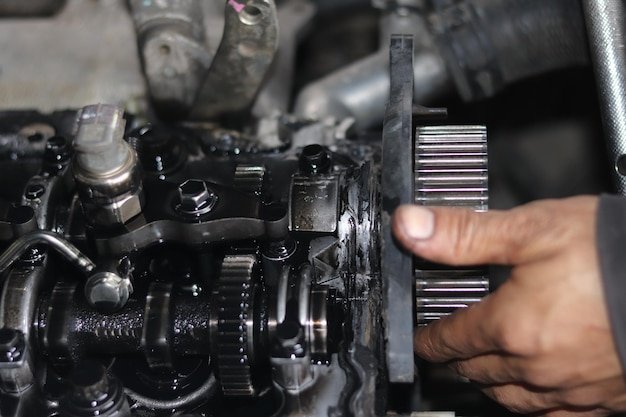
Regular maintenance is crucial for diesel engine longevity. It helps ensure that your vehicle performs optimally at all times. A proactive approach to maintenance can prevent costly repairs. Preventative measures include routine inspections and servicing. These actions help identify wear and tear early. Understanding your vehicle’s maintenance schedule is key. Implementing a proper maintenance plan is beneficial. It not only prolongs the engine’s life but also enhances safety. Consistent check-ups keep your vehicle road-ready at all times.
Here’s a brief checklist for maintaining a healthy diesel engine:
- Oil changes: Keep the engine lubricated.
- Filter replacements: Improve airflow and fuel efficiency.
- Fuel system cleaning: Prevent clogs from contaminants.
- Coolant checks: Avoid overheating.
- Battery testing: Ensure reliable engine starts.
Each component of this checklist contributes to engine health. Diligence in these areas greatly reduces the risk of breakdowns. By following these tips, you can avoid unexpected diesel engine repairs.
Regular Maintenance Checklist
Maintaining a diesel engine requires consistency. Keeping up with a regular checklist simplifies the process. This ensures that nothing is overlooked during maintenance.
Here’s a detailed maintenance checklist for diesel vehicles:
- Change oil and oil filter: Maintain engine lubrication.
- Inspect air filters: Ensure clean air intake.
- Examine fuel filters: Keep fuel clean and free of particles.
- Monitor engine coolant levels: Prevent overheating.
- Check transmission fluid: Maintain smooth gear shifts.
- Test battery health: Ensure ample power supply.
- Inspect belts and hoses: Avoid wear and tear mishaps.
- Review brake systems: Ensure safety and reliability.
Following this checklist can significantly reduce the need for repairs. Regular checks help detect minor issues before they escalate. Proper adherence ensures your diesel engine functions efficiently. Developing a habit of using this checklist enhances vehicle performance. By doing so, you safeguard your investment against premature wear. Regular maintenance is the easiest way to avoid costly diesel engine repair.
The Impact of Driving Habits on Diesel Repair
Your driving habits greatly influence diesel engine health. Aggressive driving can lead to increased wear and tear. Diesel engines respond best to smooth and steady driving. Speeding and rapid acceleration can strain the engine. These habits increase the chance of mechanical issues. Gentle driving minimizes stress on the engine’s components.
Frequent short trips might not allow the engine to reach optimal temperature. Incomplete combustion can leave residues in the engine. Allowing the engine to warm up fully improves its efficiency. Paying attention to your driving style can significantly reduce maintenance needs. Keeping your RPMs low conserves fuel and reduces stress on the engine. Good driving habits can help extend the lifespan of your diesel engine.
Choosing the Right Diesel Repair Shop
Selecting the right diesel repair shop is essential for your vehicle’s health. A reliable shop should offer skilled mechanics and the latest tools. This ensures problems are properly diagnosed and fixed.
Look for a shop with a strong reputation and positive reviews. Customer feedback can provide insights into the quality of service. It’s wise to choose a shop known for honesty and transparency. Ensure the repair shop has experience with your specific diesel model. Specialized expertise can make a significant difference in repair quality. Taking these steps helps ensure your diesel vehicle gets the best care.
Certifications and Specialized Training for Diesel Mechanics
Diesel mechanics with proper certifications offer peace of mind. Certifications indicate a high level of skill and knowledge. They demonstrate that a mechanic has been trained in the latest techniques.
Mechanics with specialized training can handle complex diesel issues. Diesel engines require distinct repairs compared to gasoline engines. A mechanic with diesel-specific training is more equipped to address these challenges. Certifications from reputable organizations enhance a mechanic’s credibility. They attest to the mechanic’s proficiency and dedication to their craft. Choosing a certified mechanic ensures your diesel engine is in capable hands.
The Advantages of Professional Diesel Repair Services
Professional diesel repair services offer several advantages. They provide access to advanced diagnostic tools and equipment. This ensures that issues are identified with precision.
Experience matters when addressing diesel engine problems. Professional services employ skilled mechanics who understand diesel complexities. They can efficiently diagnose and repair even the toughest problems. Another advantage is the quality of parts used in repairs. Professionals use high-grade components, ensuring lasting solutions. Opting for professional services helps maintain your engine’s performance and longevity.
Conclusion: The Value of Expert Diesel Repair
Expert diesel repair is crucial for your vehicle’s performance. Skilled professionals ensure that problems are resolved effectively. This keeps your diesel engine running smoothly and reliably. Choosing the right service can prevent costly future issues. It also extends the life of your engine, enhancing its efficiency. Trusting a seasoned repair shop means trusting your vehicle in expert hands.